



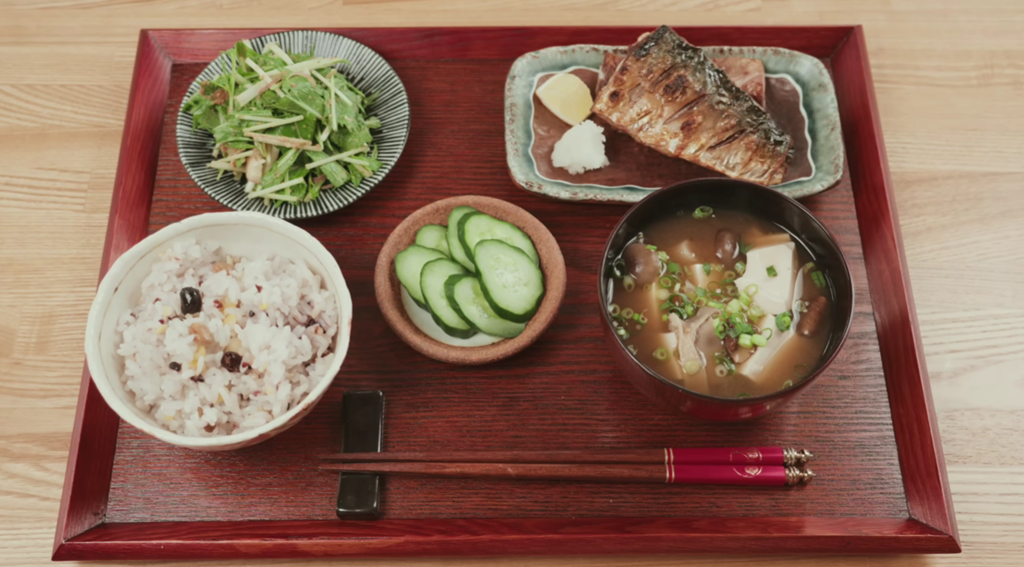
In Japan, breakfast has long been treated as a proper meal: rice, soup, fish and fermented foods eaten before work or school. Researchers now say those routines may align closely with how the body regulates metabolism across its internal 24-hour clock. The growing field of chrononutrition is drawing renewed attention to Japanese eating patterns that emphasized meal timing long before circadian biology entered mainstream nutrition science.
Food as preventive care
Japanese food culture emphasized balance, moderation and food as daily health maintenance before researchers formalized chrononutrition. Preventive-health concepts such as “Ishoku Dogen,” which links food and medicine, and “Mibyo,” which focuses on correcting imbalance before illness develops, helped shape broader attitudes toward diet and routine in Japan.
Studies of Japanese adults found people who consumed Japanese-style breakfasts were more likely to display earlier chronotypes, more regular eating schedules and higher nutrient diversity than participants who skipped breakfast or relied on cereal-based meals. Japanese researchers later used those meal patterns as a framework for studying how food timing interacts with circadian metabolism.
When Japan established the Japan Chrono-Nutrition Society in 2014, it formalized collaboration among university researchers, clinicians and food industry groups studying circadian metabolism and eating behavior.
Inside the body clock
The body’s central clock in the brain works alongside peripheral clocks in organs including the liver, pancreas, intestines and adipose tissue. Food timing helps regulate those peripheral systems, while late-night or irregular eating may contribute to circadian disruption.
Professor Shigenobu Shibata of Waseda University, one of Japan’s leading chrononutrition researchers, said, “Protein-rich diet at an early phase of the daily active period, that is at breakfast, is important to maintain skeletal muscle health and enhance muscle volume and grip strength.”
Research on circadian metabolism has found that insulin sensitivity and glucose tolerance generally peak earlier in the day, meaning the body processes nutrients differently in the morning than late at night. Diet-induced thermogenesis, the energy required to digest and process food, is also typically higher earlier in the day.
Wellness catches up
Chrononutrition now appears in metabolic-health research, intermittent fasting programs and public discussions about sleep and glucose regulation, giving new scientific language to habits long embedded in Japanese daily life.
In the U.S., researchers and clinicians increasingly study early time-restricted feeding, which concentrates meals earlier in the day to align more closely with circadian metabolism. According to the National Heart, Lung and Blood Institute, chrononutrition is an “emerging field” studying how circadian biology and meal timing influence cardiometabolic health.
The field’s evidence base remains limited, particularly because many chrononutrition findings still rely heavily on animal studies and shorter-term human research. Shibata said in a recent interview that “the biggest challenge remains ‘insufficient evidence.’” Researchers say meal timing is only one part of metabolic health alongside diet quality, sleep, exercise, work schedules and access to healthy food.
This story is part of The Rebel Yellow Newsletter — a bold newsletter from the creators of NextShark, reclaiming our stories and celebrating Asian American voices.
Subscribe free to join the movement. If you love what we’re building, consider becoming a paid member — your support helps us grow our team, investigate impactful stories, and uplift our community.

Join the conversation+