



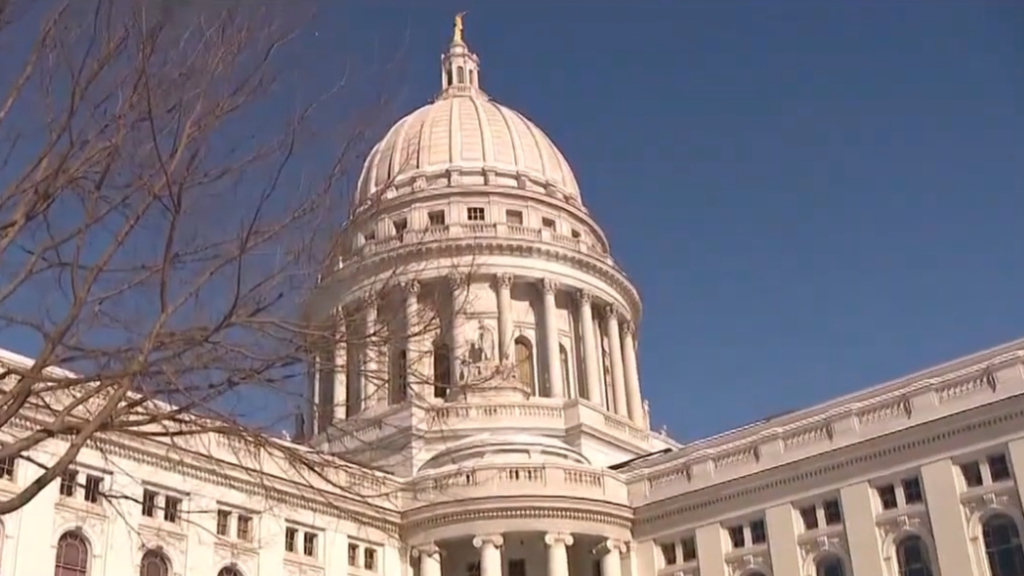
Wisconsin’s highest court heard arguments Wednesday over a state grant program that helps minority college students stay enrolled, including Southeast Asian refugees.
State of play: The Minority Undergraduate Retention Grant program, established in the 1985-87 state budget, awards $250 to $2,500 annually to Black, Native American, Hispanic and Southeast Asian students from Cambodia, Laos or Vietnam who arrived after 1975, based on financial need. In 2023-24, it distributed $440,433 to 770 students, under 1% of total Higher Educational Aids Board aid, and the state says it at least doubles the likelihood of graduation at technical colleges.
The legal challenge dates back to 2021 when the conservative Wisconsin Institute for Law & Liberty (WILL) sued on behalf of Wisconsin taxpayers. A state appeals court sided with them last year. Atty. Gen. Josh Kaul appealed, and the state Supreme Court took up the case in November. Justices must now address both the constitutional merits and whether the taxpayers had standing to sue. WILL attorney Luke Berg opened by asking the justices to simply adopt the lower court’s ruling without further review, but the court quickly rejected. A decision is expected in July.
Why this matters: The case carries particular weight for Southeast Asian refugees who are among the program’s named beneficiaries. Southeast Asian communities have documented disparities in college completion. Berg argued that race-neutral criteria, such as financial hardship, lack of home ownership, attendance at low-performing high schools, or first-generation college student status, could address those same disparities without singling out racial groups.
The argument reflects a broader pattern in post-SFFA litigation, where Asian Americans are invoked to challenge diversity programs. “There are poor Asian students,” Berg noted, listing Southeast Asian refugees alongside Afghani, Palestinian and Egyptian students as groups that deserve aid regardless of race. Critics warn the strategy pits Asian Americans against other minority communities, even when, as with this grant, they are among its direct beneficiaries.
This story is part of The Rebel Yellow Newsletter — a bold weekly newsletter from the creators of NextShark, reclaiming our stories and celebrating Asian American voices.
Subscribe free to join the movement. If you love what we’re building, consider becoming a paid member — your support helps us grow our team, investigate impactful stories, and uplift our community.

Join the conversation+