



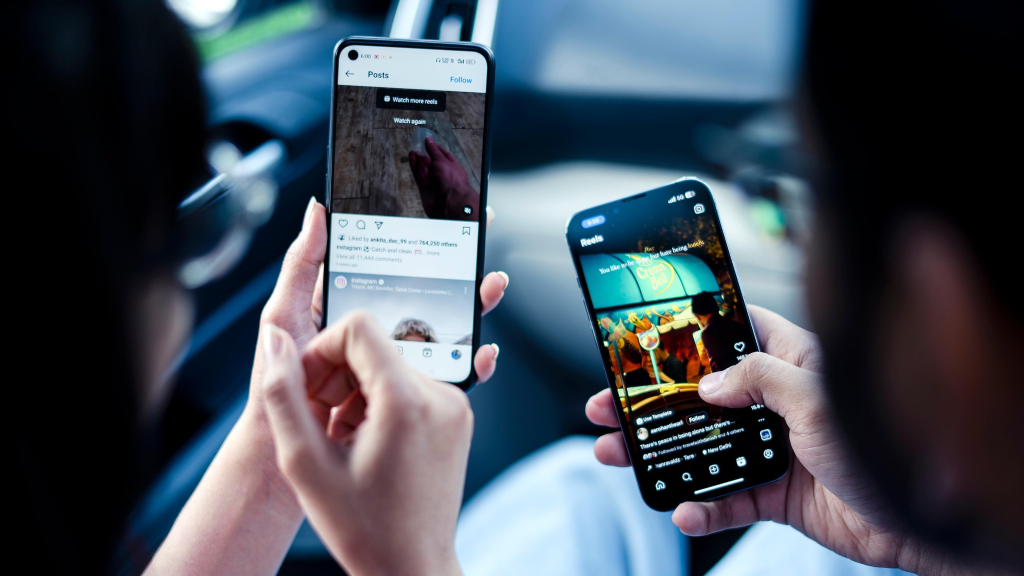
The Trump administration is proposing mandatory social media screening for tourists from 42 visa waiver countries, requiring them to disclose five years of their online activity before entering the U.S.
About the policy: Travelers from countries including Japan, Australia, France, Germany, Israel and the U.K. must submit social media handles as a mandatory requirement when applying through the Electronic System for Travel Authorization (ESTA), a Customs and Border Protection (CBP) notice said Wednesday. Applicants must also provide email addresses from the past 10 years, phone numbers from the past five years, and names, birth dates, residences and birthplaces of parents, siblings, children and spouses, plus their phone numbers over the prior five years. The proposal also requires uploading selfies to verify document authenticity.
The ESTA system, which costs $40 and allows visits up to 90 days without a visa, may shift to a mobile-only platform under the proposed changes. Open for public comment through Feb. 9, the proposal stems from President Donald Trump’s January 2025 executive order mandating that visitors be vetted and screened “to the maximum degree.” CBP, however, has not clearly defined what online activity may constitute a threat.
What this means: The requirements raise particular concerns for travelers from Asian nations in the visa waiver program, particularly Japan, one of the program’s largest sources of tourism to the U.S. The lack of defined standards creates a chilling effect on cross-border communication, as families maintaining ties through social media platforms now face the prospect that everyday posts could be misinterpreted as “threatening.” Furthermore, this discretionary enforcement model disproportionately affects communities where cultural or political norms differ from American expectations, raising questions about whose values will be deemed acceptable for entry.
The big picture: The proposal is part of a broader transformation of U.S. immigration enforcement that has steadily expanded surveillance capabilities throughout the year. Following a recent shooting near the White House by a man from Afghanistan, Trump pledged to “permanently” pause migration from “third-world countries.” In June, the administration expanded its travel ban to more than 30 countries, up from 12 countries initially blocked and seven others with restricted access. That same month, the State Department began requiring social media screening for student visas, directing consular officers to review applicants’ accounts for hostile attitudes “towards our citizens, culture, government, institutions, or founding principles” and to make their profiles public.
The surveillance infrastructure has continued expanding beyond visa applications. In August, the administration issued broader directives instructing immigration officials to screen for “anti-American ideologies” in all visa and green card applications. Immigration and Customs Enforcement (ICE) is also establishing social media surveillance teams at two facilities, with plans to hire nearly 30 contractors for monitoring operations starting May 2026.
These measures now converge with the tourist screening proposal at a critical moment of the U.S. co-hosting the 2026 World Cup. Erik Hansen, head of government relations for the U.S. Travel Association, warned that without efficient vetting, “international visitors will choose other destinations.”
This story is part of The Rebel Yellow Newsletter — a bold weekly newsletter from the creators of NextShark, reclaiming our stories and celebrating Asian American voices.
Subscribe free to join the movement. If you love what we’re building, consider becoming a paid member — your support helps us grow our team, investigate impactful stories, and uplift our community.

Join the conversation+