



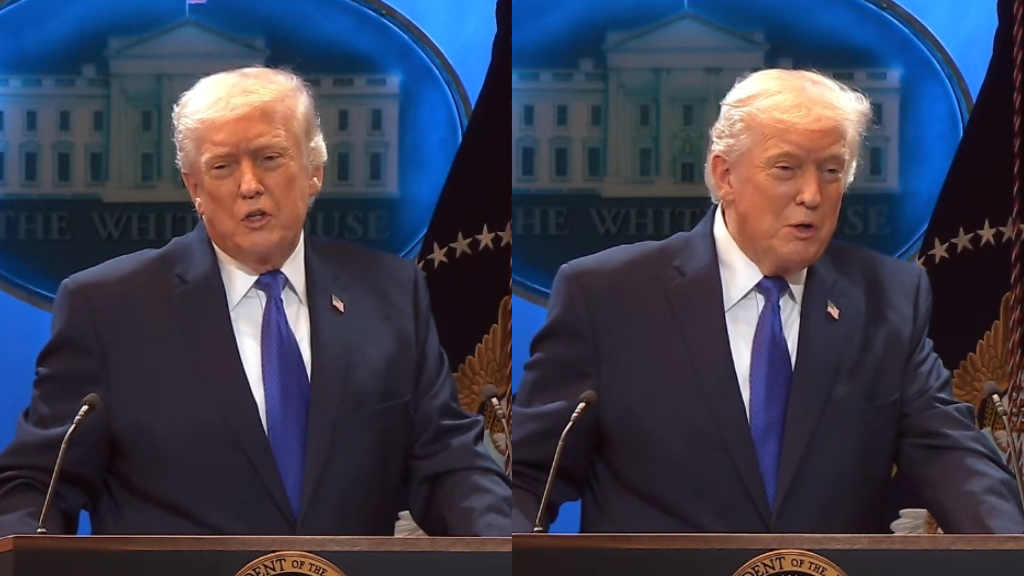
Following the Supreme Court’s ruling last week, the Trump administration has begun collecting a 10% global import tariff Tuesday, with plans to raise it to 15%.
Latest developments: After the Supreme Court struck down his emergency tariffs 6-3 on Feb. 20, Trump invoked Section 122 of the Trade Act of 1974 to impose a 10% tariff lasting 150 days. By Saturday, the president announced plans to raise the rate to 15%, the maximum allowed under Section 122. However, Customs and Border Protection (CBP) guidance sent to shippers Monday night confirmed only 10% would apply starting Tuesday. The White House told Reuters that Trump has “no change of heart” about seeking 15%, though no formal order was signed.
Legal concerns: Legal experts question whether the new tariffs comply with the law. The administration argues a “large and serious United States balance-of-payments deficit” exists, which Section 122 requires. But economists dispute this, noting the U.S. faces no such crisis. Additionally, trade deficits and balance-of-payments deficits are separate concepts Cong ress deliberately distinguished. And perhaps most problematic, the administration has taken the opposite position in the past, with the Justice Department arguing in earlier court filings that Section 122 has “no application” when concerns arise from trade deficits, which differ fundamentally from balance-of-payments deficits.
What this means for Asian Americans: The new 10% tariff offers Asian American communities little relief despite being lower than invalidated rates. Under the struck-down system, South Korean imports faced 15% duties while Indian goods carried 50%, hitting grocers hard given reliance on specialty products with no domestic alternatives and thin margins. That damage is done. Businesses that closed are unlikely to reopen, with owners citing the tariffs, rising rent and customers scared away by ICE operations.
Consumers should not expect lower prices. Mary Lovely, a senior fellow at the Peterson Institute for International Economics, told NPR that “price stickiness,” where prices lag behind cost changes, means retailers will not quickly lower what they charge. More critically for Asian American importers, the uncertainty itself creates ongoing harm. Business owners cannot plan inventory or pricing when tariffs could reset every 150 days. Asian governments that negotiated reduced rates with Washington now question whether those agreements remain valid.
Endless tariffs: The instability shows no signs of ending for Asian American business owners. While Section 122 limits tariffs to 150 days, Trump could simply reset. Meanwhile, other administration tariffs remain untouched, including Section 232 duties on steel, aluminum and automobiles, plus Section 301 tariffs on Chinese goods. The administration plans to use these for “accelerated” investigations into additional sectors.
Plaintiffs in the Supreme Court case filed motions Tuesday seeking refunds of more than $175 billion in revenue collected under the invalidated tariffs.
This story is part of The Rebel Yellow Newsletter — a bold weekly newsletter from the creators of NextShark, reclaiming our stories and celebrating Asian American voices.
Subscribe free to join the movement. If you love what we’re building, consider becoming a paid member — your support helps us grow our team, investigate impactful stories, and uplift our community.

Join the conversation+