



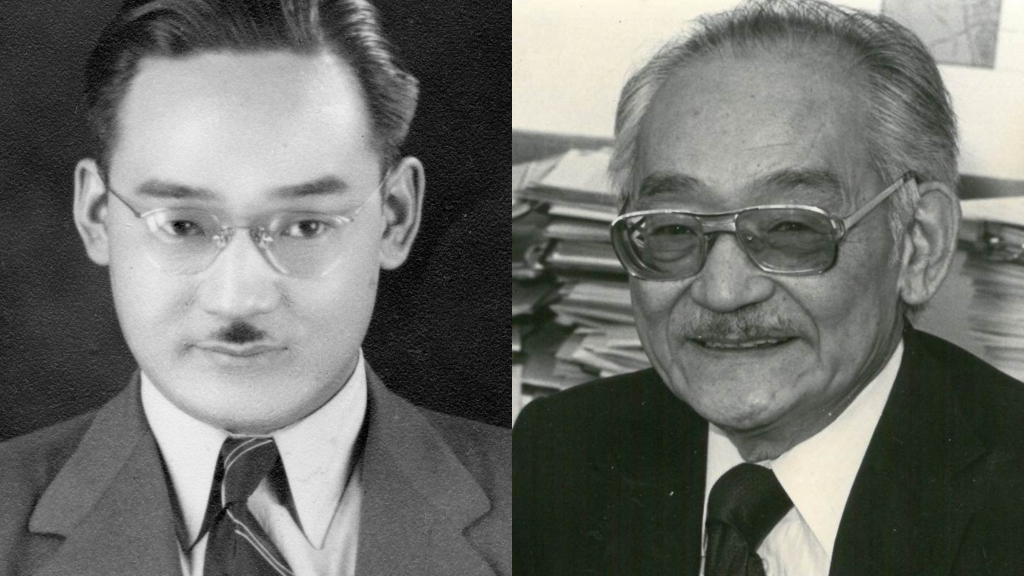
Oregon will observe the 10th anniversary of Minoru Yasui Day on March 28 in recognition of the attorney who tested wartime discrimination laws and became, so far, the state’s only Presidential Medal of Freedom recipient.
What you need to know: The Oregon Historical Society will host the commemorative program at 1200 SW Park Ave. from 1:00 p.m. to 3:00 p.m. Attendance may be in person or via livestream at no charge.
Southern Oregon University history professor Cherstin M. Lyon will present the keynote address before moderating a panel titled “Contested Narratives: History, Politics & Community Action.” The discussion will examine how book bans and curriculum changes across the country determine which historical accounts receive emphasis or face suppression. The program will also recognize winners of the annual student contest, which asked participants to consider what seeking justice for all looks like when upholding the rule of law.
About Yasui: Yasui was born on Oct. 19, 1916, in Hood River, Oregon. He earned his law degree from the University of Oregon in 1939, becoming one of the first Japanese Americans to graduate from the institution’s law school and the first Japanese American member of the Oregon Bar. On March 28, 1942, he deliberately broke the military curfew imposed on Japanese Americans to create a constitutional test case. Authorities confined him to a windowless cell at Multnomah County Jail for nine months while his case advanced to the Supreme Court, which ruled against him in 1943, upholding wartime racial restrictions.
After his incarceration, Yasui resettled in Denver, where his relationships across the city’s African American community proved crucial in averting riots after Martin Luther King Jr.’s 1968 murder. A federal court overturned his 1943 conviction in 1986, shortly before his death that November. Former President Barack Obama granted him the Presidential Medal of Freedom posthumously in 2015.
Why this matters: Yasui’s resistance remains especially significant as political battles intensify over which histories belong in American classrooms. His wartime stand against race-based legal restrictions mirrors current conflicts over removing marginalized perspectives from educational materials. Organizers selected contested narratives as this year’s theme to acknowledge that Asian American histories face ongoing threats of political erasure.
According to the Minoru Yasui Legacy Project, Yasui “would surely oppose any attempts to erase or twist the stories of marginalized communities from the historical record.” His statement that “what is done to the least of us can be done to all of us” continues to remind Asian Americans that protecting civil liberties demands constant vigilance.
To register for the event, head over here.
This story is part of The Rebel Yellow Newsletter — a bold weekly newsletter from the creators of NextShark, reclaiming our stories and celebrating Asian American voices.
Subscribe free to join the movement. If you love what we’re building, consider becoming a paid member — your support helps us grow our team, investigate impactful stories, and uplift our community.

Join the conversation+